Whetstone Grit Guide
Disclosure: This page contains affiliate links. If you buy through them we may earn a commission at no extra cost to you. As an Amazon Associate I earn from qualifying purchases. Details.
Grit is the size of the abrasive particles in a stone. Lower numbers are coarser and remove steel faster. Higher numbers are finer and leave a smoother, more refined edge. That's the whole idea; the rest is choosing which jobs you need done.
Wüsthof describes its own combination stones this way: the coarse grit grinds the edge, and the fine grit realigns the microscopic teeth on the blade and removes leftover steel.
What each grit range is for
| Grit range | Job | When you'd use it |
|---|---|---|
| Coarse (lower numbers) | Removes steel quickly; reshapes the edge | Very dull knives, small chips, changing an edge angle |
| Medium | Sets a working edge | Routine sharpening of a dull-ish knife |
| Fine (higher numbers) | Refines and smooths the edge | After medium or coarse, to finish |
| Very fine / polishing | Polishes to a mirror-like edge | Optional; enthusiasts and some Japanese knives |
About the numbers: grit grading isn't universal. Makers and regions use different scales, so a number on one brand's stone may not mean the same thing on another's. Read what the manufacturer says each side is for, rather than comparing numbers across brands.
What a home cook actually needs
- A combination stone (coarse or medium on one side, fine on the other). This is how Wüsthof packages its own whetstones, and it covers routine sharpening and refining. Combination stones → Amazon
- A honing rod for between sharpenings. Victorinox recommends honing every few uses and says sharpening is needed only about once or twice a year. Ceramic honing rods → Amazon
- Optional: a coarse stone if you inherit badly neglected or chipped knives.
- Optional: a polishing stone if you enjoy the hobby.
Matching grit to the problem
- The knife cut fine last month and now feels dull: probably not a grit problem. Hone it first.
- Honing doesn't help: start on the medium or coarse side, then finish on fine.
- Visible chips or a rolled edge: a coarser stone first, then work up through finer grits.
- Edge feels "toothy" or rough after sharpening: finish on the fine side, then hone.
How to work through the grits
Move from coarse to fine. Finish each grit across the whole edge, both sides, before stepping up. Each finer grit removes the scratches left by the one before. Skipping from very coarse to very fine makes the fine stone do too much work. Keep the angle the same on every stone; Wüsthof uses 14 degrees for its standard knives.
Soaking, oil, or neither?
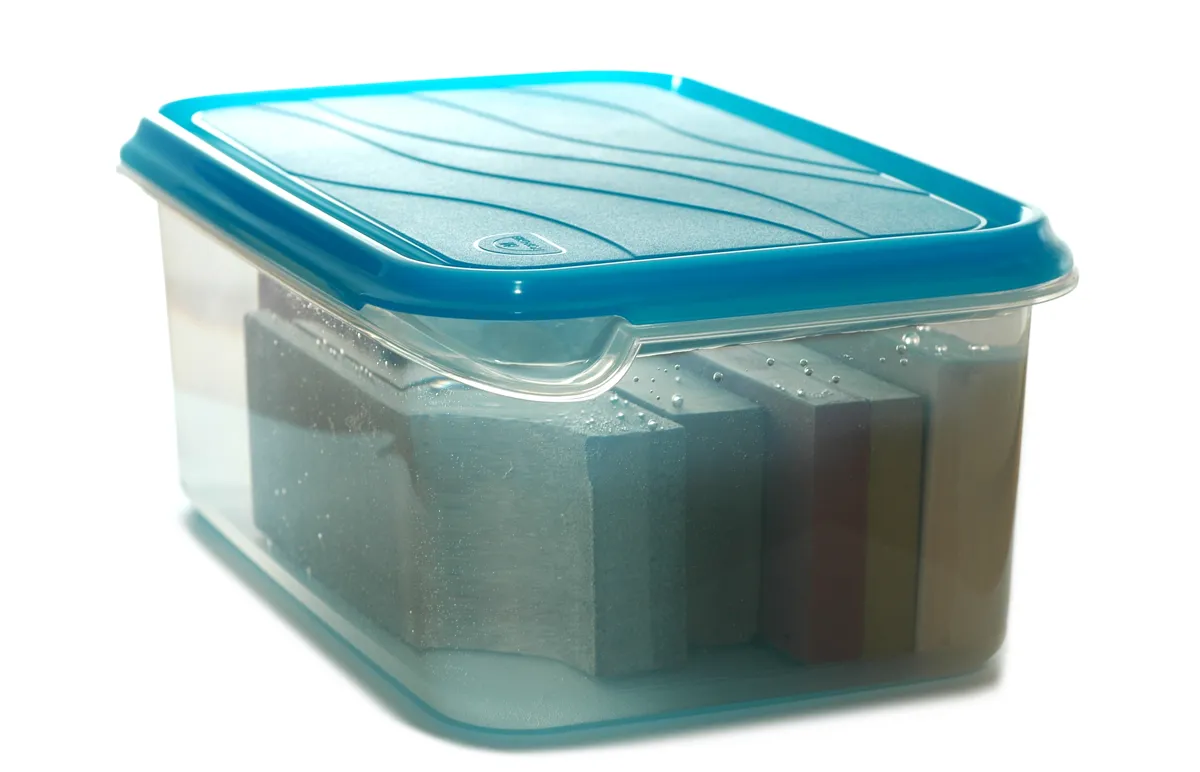
Stones differ. Wüsthof says to soak its whetstones for about ten minutes and keep pouring water on while sharpening. Other stones are "splash and go," and some are oil stones. Follow the instructions for your stone. Using oil on a water stone, or the other way around, can clog the surface.
Keeping a stone flat
Stones wear unevenly over time, often developing a dip in the middle. A dished stone makes it hard to hold a consistent angle. Many makers sell flattening stones or plates for this; check your stone maker's care guidance. Flattening stones → Amazon
A sensible starter kit
- Combination whetstone with a non-slip base
- Ceramic or diamond honing rod (Victorinox recommends these for harder forged knives)
- Angle guide clip if you're new to holding an angle
- Towel and a small water container
Next step: follow our step-by-step sharpening guide.
FAQ
What grit whetstone should I buy first?
For most home cooks, a combination stone with a coarse side for sharpening and a fine side for refining is the practical start. Wüsthof's whetstones combine a coarse grit to grind the edge with a fine grit to refine it.
Are grit numbers the same across brands?
Not necessarily. Different makers and regions use different grading scales, so compare within a brand or follow the maker's description of what each side is for.
Do I need a very fine polishing stone?
It's optional. A coarse/fine combination stone plus a honing rod covers most kitchen needs.
Related guides
- How to Sharpen a Kitchen Knife (Whetstone, Pull-Through, and Steel)
- Whetstone vs. Pull-Through vs. Electric Sharpener
- Best Knife Sharpener for Beginners: A Decision Guide